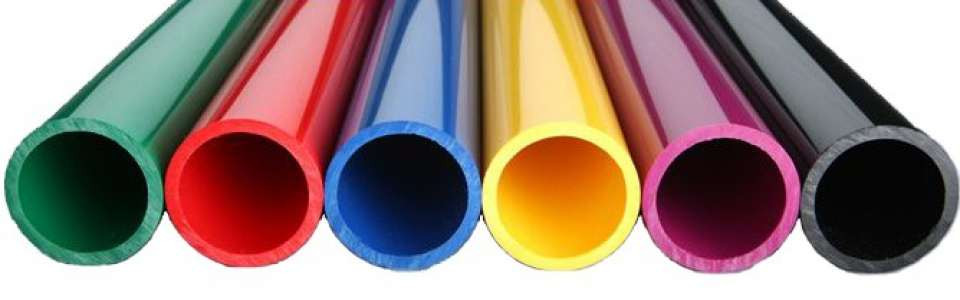
Types of Plastic Pipes and Their Applications
Nowadays, plastic pipes have gained a prominent position in the construction industry, agriculture, urban infrastructure, and even industrial projects. Thanks to features such as lightweight, corrosion resistance, long lifespan, flexibility, and easy installation, these pipes have rapidly replaced traditional metal and concrete pipes. In this article, we explore the most important types of plastic pipes and explain their specific applications.
One of the most widely used plastic pipes is polyethylene (PE) pipes. These are commonly used in agriculture, drip and sprinkler irrigation systems, potable water transmission lines, sewage systems, and even gas distribution networks. Polyethylene is produced in various grades such as PE63, PE80, and PE100, each offering different levels of pressure and mechanical resistance. For example, PE100 has higher strength than PE80 and is preferred in high-pressure and long-distance projects.
Another popular type of polymer pipe used in building plumbing is polypropylene (PP) pipes, especially the random copolymer type known as PP-R. These pipes are ideal for conveying hot and cold domestic water, underfloor heating systems, and boiler rooms. Key advantages of polypropylene pipes include high temperature resistance, scale-free inner surface, and the ability to be joined using thermal welding.
In the field of domestic and urban sewage systems, PVC (polyvinyl chloride) pipes remain a classic and popular choice. These pipes are mainly used for gravity (non-pressurized) lines. The rigid version, known as uPVC, is used for wastewater transport, stormwater collection, and even as electrical cable conduits. However, drawbacks such as brittleness in cold weather and sensitivity to impact and high temperatures exist. To address these issues, CPVC (chlorinated polyvinyl chloride) pipes have been developed, which offer higher temperature tolerance and can be used for hot water applications.
Push-fit pipes represent a new generation of sewage piping systems that require no glue or welding for installation. These pipes connect easily using a gasket and pressure system, making them highly popular in modern construction due to their fast, clean, and leak-free installation.
For heating projects such as underfloor heating systems, special pipes known as PEX pipes are used. Made from cross-linked polyethylene, these pipes offer high resistance to pressure and temperature. Their flexibility makes them especially easy to install beneath floors.
In summary, each type of plastic pipe has its own advantages, disadvantages, and specific applications. Choosing the right pipe depends on project conditions, fluid type, operating temperature, required pressure, and installation location. Understanding the differences and capabilities of each pipe type plays a crucial role in extending the lifespan of piping systems and reducing maintenance costs.
Keywords:
Types of plastic pipes, What is polyethylene pipe, Polypropylene pipes, Underfloor heating systems, Applications of polyethylene pipes, Advantages of polyethylene pipes, Disadvantages of polyethylene pipes, Lifespan of polyethylene pipes, Polyvinyl chloride pipes, Push-fit pipes, Cross-linked polyethylene pipes.