Solutions for Addressing the Water Crisis in Iran: The Role of Polyethylene Pipes
🌍 Global and National Water Crisis
According to reputable global reports, 17 countries are facing severe water scarcity, 12 of which are located in the Middle East and North Africa. Approximately 4.4 billion people worldwide experience extreme water stress for at least one month each year, and 500 million people live under constant water scarcity. The consequences of this crisis include food insecurity, conflict, migration, and financial instability. It is projected that by 2050, around 31% of countries will face extremely high water stress.
Iran ranks fourth globally among countries suffering from severe water shortages. The country’s water resources have drastically declined, with major reservoirs such as Amir Kabir, Lar, and Latian dams holding less than 10% of their storage capacity. Around 69% of Iran’s renewable water has been consumed in recent years, and 12 provinces are expected to face complete depletion of groundwater aquifers within the next 50 years.
🚰 The Role of Polyethylene Pipes in Water Crisis Management
Given the global and regional water challenges, the use of polyethylene pipes for optimizing water consumption and reducing waste is considered a key solution in water resource management. This is especially critical in the agricultural sector, which is the largest consumer of water. Thanks to their unique properties, polyethylene pipes can have a significant impact.
💧 Reducing Water Loss
Polyethylene pipes offer excellent sealing and impermeability, minimizing evaporation and leakage in water transmission and distribution systems. In regions with severe water stress—such as Iran and neighboring Middle Eastern countries—saving every liter of water lost translates directly into increased accessible water resources.
🌿 Enhancing Irrigation Efficiency
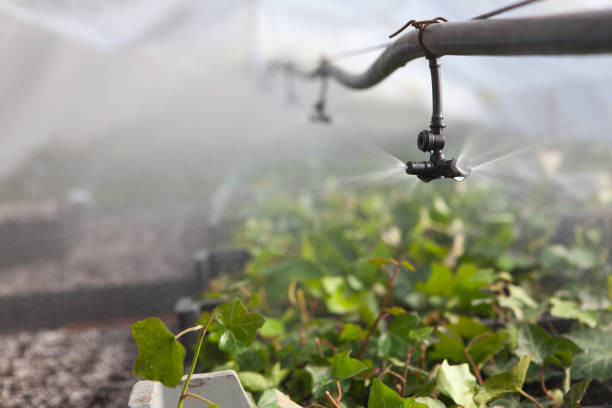
Using polyethylene pipes in drip and pressurized irrigation systems ensures uniform water delivery to plant roots. This improves water efficiency, reduces overall consumption, and boosts crop yields. Farmers can achieve higher productivity with less water, easing pressure on underground water reserves.
💰 Economic and Environmental Benefits
Beyond water conservation, polyethylene pipes are easy to install, require low maintenance, and have a long service life—contributing to reduced agricultural costs. Their recyclability also supports environmental protection and reduces industrial waste, playing a vital role in the long-term sustainability of water and soil resources.
✅ Conclusion
Polyethylene pipes represent an effective, economical, and sustainable solution to combat water scarcity. By reducing water loss, improving irrigation efficiency, and lowering costs, this technology plays a crucial role in preserving water resources and enhancing agricultural resilience under drought conditions.
🔍 SEO Keywords