Biodegradable Polyethylene: A Green Polymer for Sustainable Development
Polyethylene is one of the most widely used thermoplastic polymers globally, accounting for over 30% of total plastic production across various grades (HDPE, LDPE, LLDPE). Its popularity stems from its affordability, excellent mechanical properties, chemical inertness, ease of processing, and high resistance to moisture and chemicals.
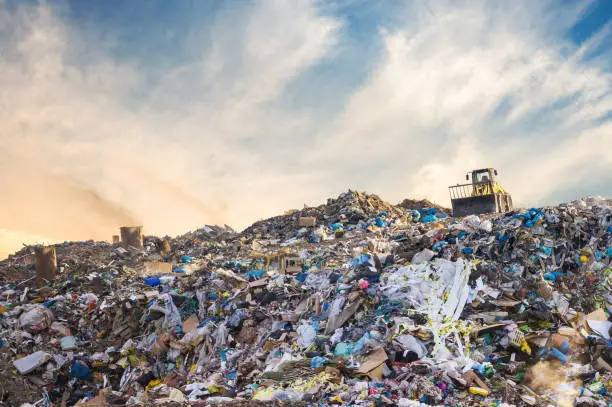
Despite these advantages, polyethylene’s extreme environmental persistence poses a major challenge. Natural degradation under typical conditions can take hundreds of years, leading to the accumulation of millions of tons of plastic waste in soil, rivers, and oceans—threatening wildlife and human health. To address this crisis, the polymer industry has increasingly focused on developing biodegradable materials. Among them, biodegradable polyethylene stands out as an innovative alternative to conventional polyethylene in many applications.
What Is Biodegradable Polyethylene?
Biodegradable polyethylene is a modified form of polyethylene that can break down under natural environmental conditions. This is achieved through chemical modifications, the addition of oxidative-bioactive additives, or blending with renewable resources like starch. After its useful life, the polymer decomposes under sunlight, oxygen, moisture, and microbial activity into smaller fragments and eventually into carbon dioxide, water, methane (in anaerobic conditions), and biomass.
Degradation Mechanisms
The degradation process of biodegradable polyethylene occurs in three main stages:
-
Initiation Phase: UV light and heat break the C–C bonds in the polymer backbone. Oxidative additives such as metal salts or carbonyl compounds accelerate this process.
-
Molecular Weight Reduction: The broken chains form shorter fragments with lower molecular weight, making them more accessible to microorganisms.
-
Microbial Biodegradation: Microorganisms (bacteria and fungi) consume these fragments as a carbon source, converting them into CO₂, H₂O, and biomass.
Production Methods
-
Use of Bioactive Additives: Transition metal-based additives (e.g., Mn, Fe, Co) are incorporated to enhance oxidation and chain scission under light and oxygen.
-
Copolymerization with Biodegradable Monomers: Polyethylene is copolymerized with polymers like polycaprolactone or polylactic acid to reduce crystallinity and increase degradation rate.
-
Blending with Natural Polymers or Fillers: Adding starch, cellulose, or lignocellulosic fibers creates porous structures after the natural component degrades, improving polyethylene’s biodegradability.
Properties and Advantages
-
Performance Similar to Conventional Polyethylene: Mechanical properties (e.g., tensile strength, flexibility) and processability are nearly identical.
-
Compatibility with Existing Equipment: Can be used to produce films, bags, sheets, and molded products using standard machinery.
-
Eco-Friendly: Decomposes into natural products in a shorter time after use.
-
Wide Applications: Suitable for packaging, shopping bags, agricultural films, and medical devices.
-
Reduced Waste Management Costs: Biodegradability eases pressure on waste collection and landfill systems.
Challenges and Limitations
-
Higher Production Costs: Due to additives and modification processes, biodegradable polyethylene is more expensive than traditional types.
-
Specific Degradation Conditions Required: Complete breakdown may need specific light or temperature conditions; degradation slows in cold or dry environments.
-
Lack of Standardization: Global testing methods for biodegradability are not yet unified.
-
Impact on Recycling: Certain additives may interfere with conventional polyethylene recycling processes.
Future Outlook
Ongoing research aims to produce biodegradable polyethylene with lower costs, controlled degradation rates, and optimized mechanical properties. Promising directions include:
-
Development of biodegradable nanocomposites (e.g., polyethylene/nanoclay, polyethylene/nanocellulose).
-
Use of novel catalysts for bio-based copolymerization.
-
Integration of renewable biopolymers to enhance environmental performance.
-
Designing circular economy systems that combine recycling, reuse, and biodegradability.
Conclusion
Biodegradable polyethylene represents a significant innovation in the polymer industry, offering a potential solution to the global plastic pollution crisis. By maintaining the functionality of conventional polyethylene while adding degradability, it plays a vital role in sustainable development. Although challenges like cost and standardization remain, advancements in technology and growing public awareness are expected to expand its market share in the near future.
SEO Keywords:
Biodegradable polyethylene – Biodegradable plastic – Green polymer – Degradable plastic – Biodegradable polyethylene production – Buy biodegradable polyethylene – Biodegradable polyethylene price – Biodegradable polyethylene applications – Advantages of biodegradable polyethylene